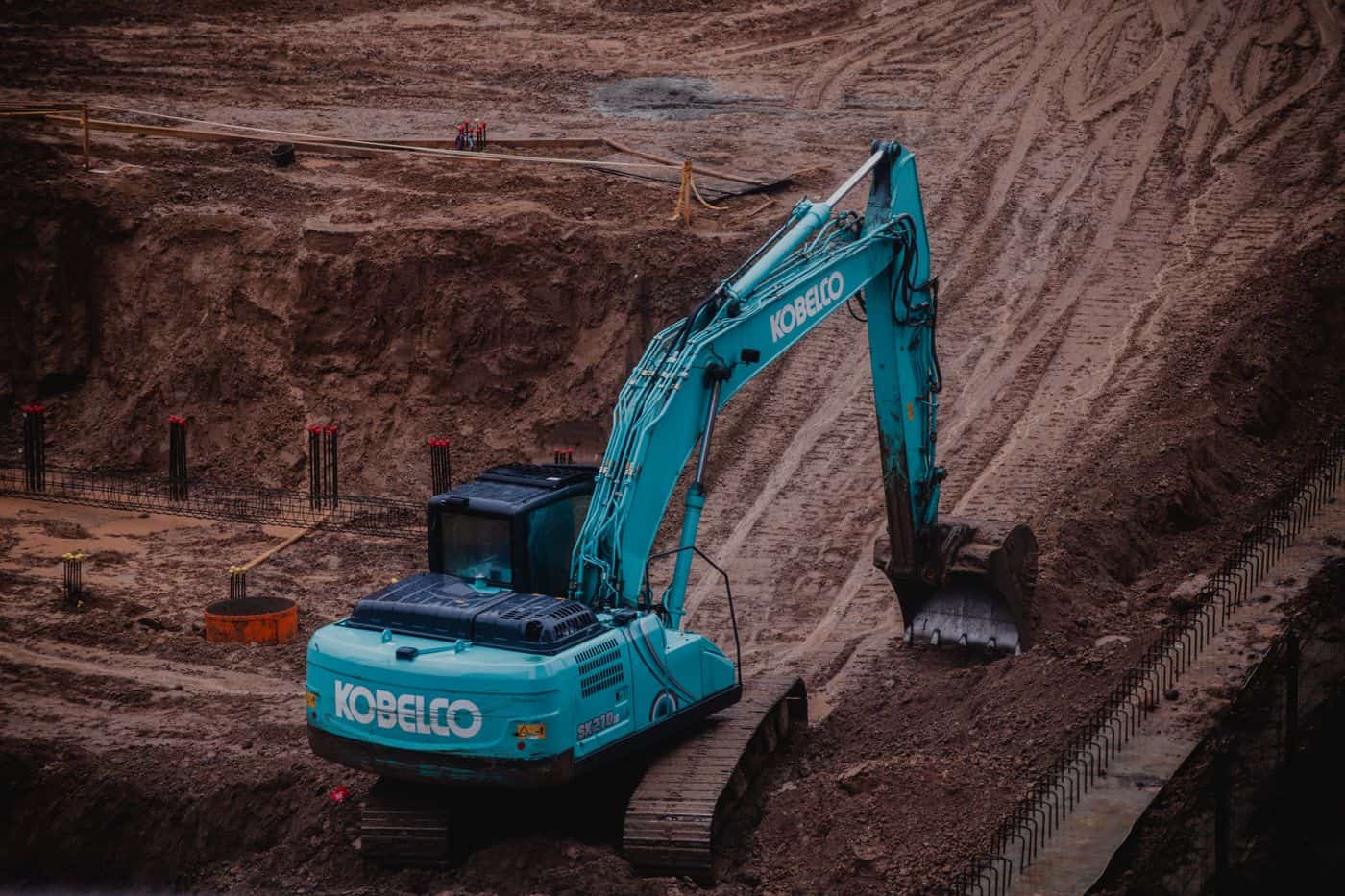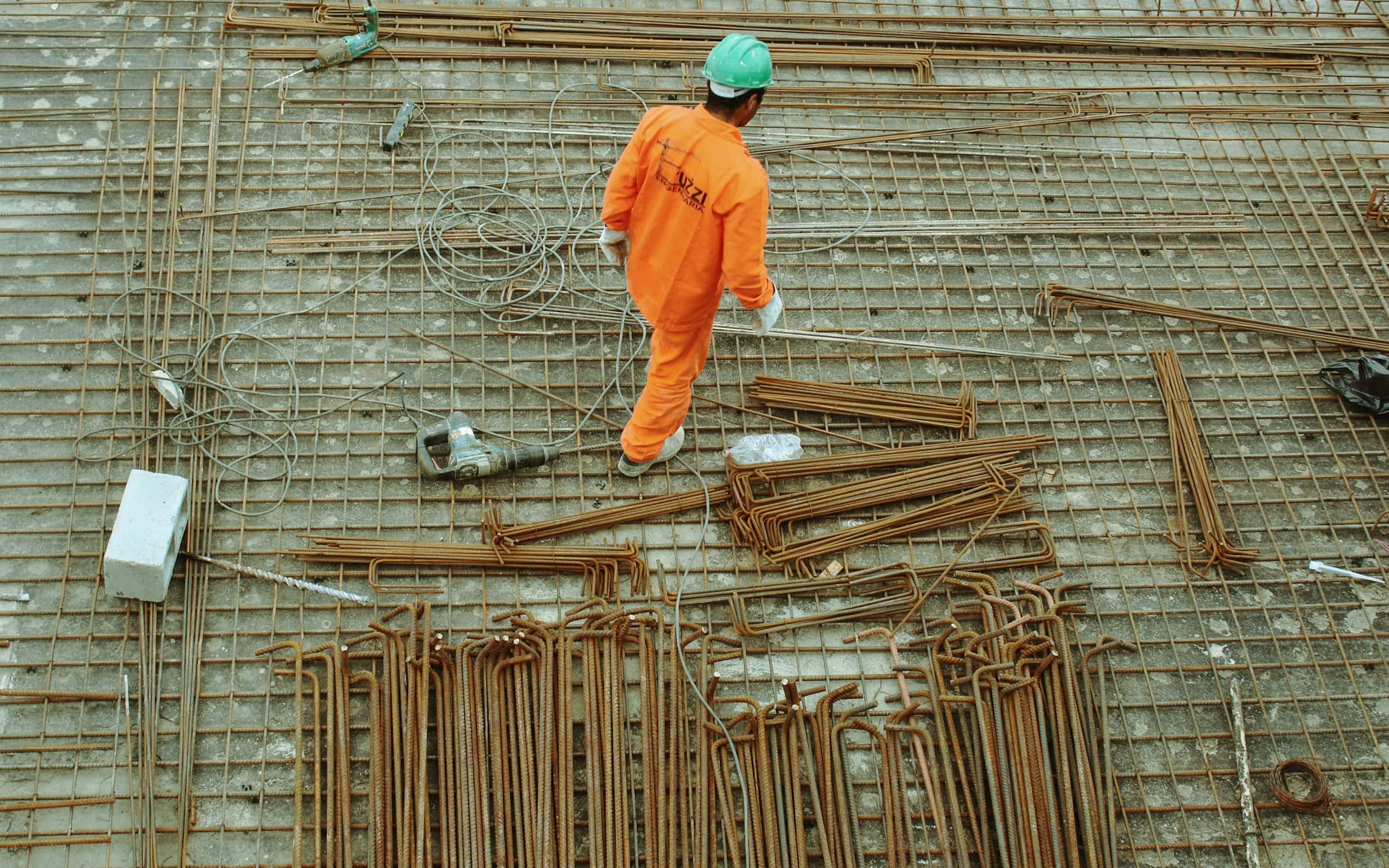
On a large industrial building the critical path runs through the floor slab with unusual clarity. Racking, dock equipment, fit-out, and the tenant's own installation all queue behind it, and none of them can start early to make up time.
Which means the two things deciding whether a distribution building opens on time are the earthwork that gets you to subgrade and the concrete that gets you to slab. Both are ground work, and both are frequently subcontracted.
Why the crew's ownership matters here
Subgrade problems are discovered, not predicted. Soft spots, moisture, unsuitable material — the crew finds them the morning they hit them. If that crew belongs to a subcontractor with three other jobs, the response time is measured in days and negotiated.
If the crew is the contractor's own, the superintendent moves them that morning and the schedule absorbs it. That is not a small operational preference; on a tight industrial schedule it is frequently the whole margin.
The question to ask a bidder
Not "can you hit this date" — everyone says yes. Ask who is pouring the slab, whether they work for the contractor or for someone else, and what happens to your schedule if subgrade comes up soft in the third bay.
IllustrativeThis note is scaffolding written for the demonstration build. It describes general land development practice and makes no claim about work this firm has performed.