Every owner who has been through a hard-bid project knows the pattern. The number that won the job is not the number on the final pay application, and the difference arrived in pieces, each one individually defensible.
What is worth understanding is that most of those pieces were knowable before the contract was signed. They were sitting in an incomplete drawing set, an unconfirmed lead time, or a site condition nobody had gone and looked at.
Where the gap comes from
Scope gaps between trades. Two subcontractors each assume the other carries a piece of work, and neither price includes it. A thorough bid review catches this; a spreadsheet comparison of bottom-line numbers does not.
Unconfirmed procurement. A bid based on catalog lead times rather than a fabricator's written confirmation is a bid with a schedule risk hidden inside it.
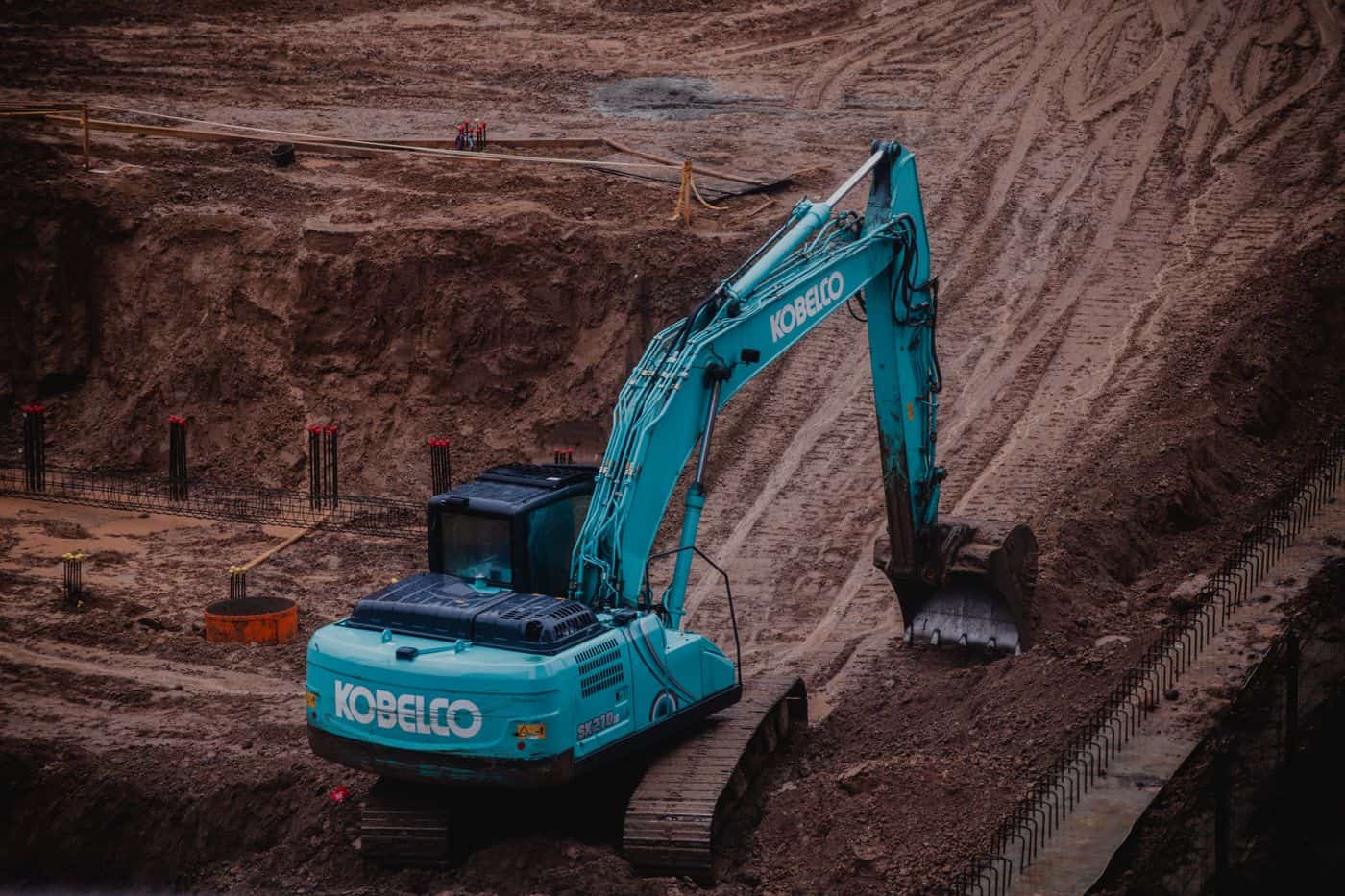
Site conditions taken from the drawings rather than from the ground. This is the expensive one, and it is why a contractor who self-performs earthwork will usually price the dirt more conservatively — they are the ones who have to dig it.
What to ask for instead
Ask for the assumptions, not only the number. A bid that states what it assumes about soils, lead times, working hours, and access is a bid you can actually compare. One that states nothing is asking you to trust that nothing was assumed at all.
IllustrativeThis note is scaffolding written for the demonstration build. It describes general land development practice and makes no claim about work this firm has performed.